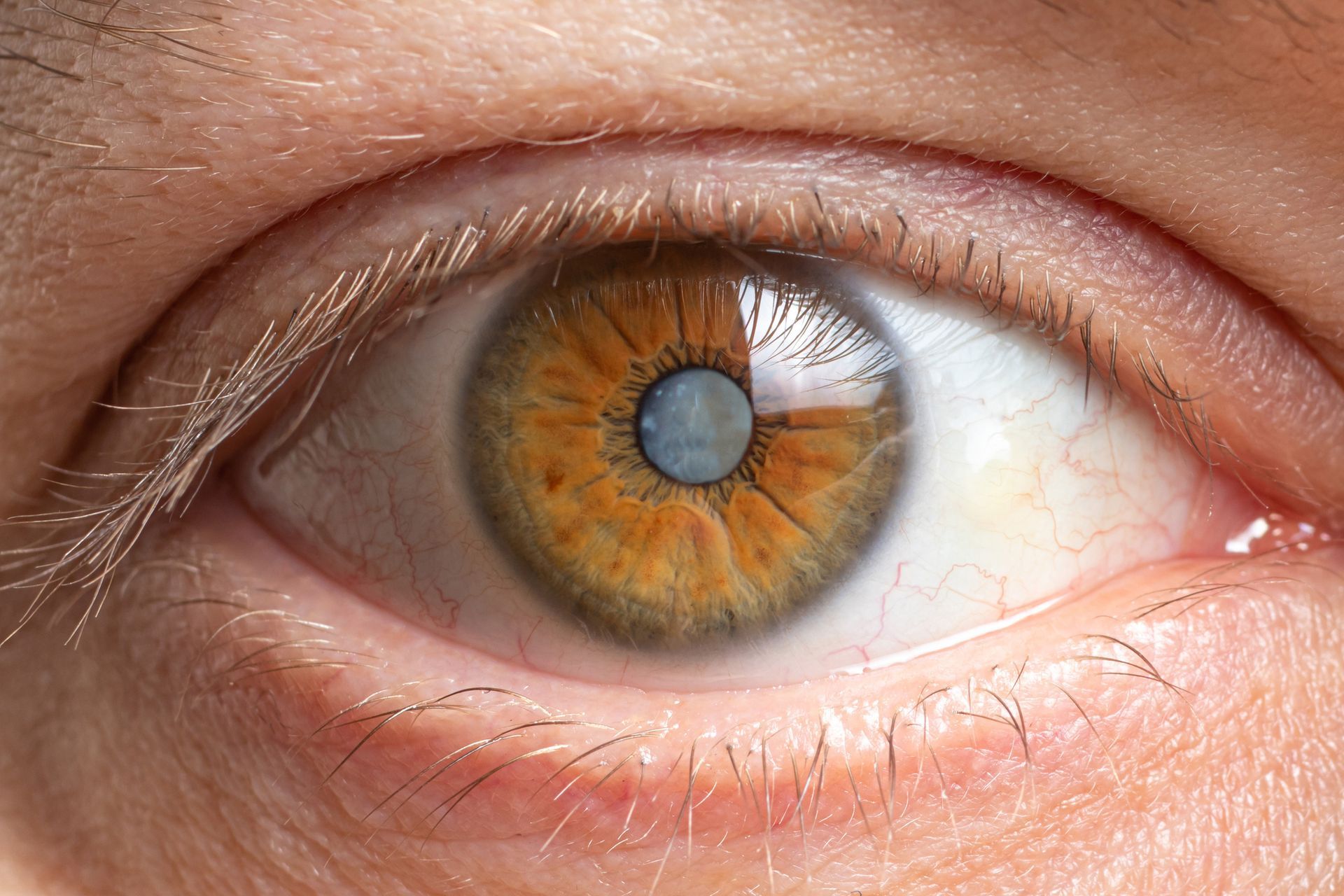
Dry Eye Treatment: Causes, Symptoms & What Patients Should Know
Dry eye syndrome affects millions of Americans, and understanding your options for dry eye treatment can make a real difference in daily comfort and long-term eye health. Many people in Cumberland, MD, and across Western Maryland deal with persistent eye discomfort without realizing a treatable condition may be the cause. Fortunately, dry eye treatment in Cumberland, MD, is available through local eye care providers who can assess your symptoms and recommend a plan that fits your needs.
What Is Dry Eye Syndrome?
Dry eye syndrome occurs when your eyes do not produce enough tears, or when tears evaporate too quickly. Healthy tears are made of three layers: water, oil, and mucus. When any layer is out of balance, the tear film becomes unstable and cannot keep the eye surface properly lubricated.
Many patients are surprised to learn that watery eyes can actually signal dry eye rather than rule it out.
Common Causes of Dry Eye
Several factors may contribute to dry eye syndrome, including extended screen time; age (tear production naturally decreases after 50); dry or windy environments, common in Western Maryland winters; certain medications, such as antihistamines and antidepressants; contact lens wear; and hormonal changes during or after menopause.
Recognizing the Symptoms
Common signs include burning or stinging, a gritty or sandy feeling, redness or light sensitivity, blurry vision that comes and goes, and excess tearing that does not relieve discomfort.
If these symptoms sound familiar, an eye exam can help determine whether dry eye syndrome is the cause.
Treatment Options for Dry Eye
Dry eye treatment ranges from simple at-home steps to prescription-level care. Options may include:
▸ Artificial tears and lubricating eye drops for fast temporary relief.
▸ Warm compresses and eyelid hygiene to help unclog oil glands along the eyelid margin.
▸ Prescription anti-inflammatory eye drops that target the underlying cause of chronic dry eye.
▸ Omega-3 supplements, which may support tear film quality.
▸ In-office evaluation and management, where an optometrist can monitor the condition and adjust your treatment plan over time.
Can an Optometrist Treat Dry Eye?
Yes. Licensed optometrists can diagnose and manage dry eye syndrome by evaluating your tear production, examining eyelid gland health, and recommending or prescribing appropriate treatments.
Will Insurance Cover Dry Eye Treatment?
Coverage varies by plan. Many insurers cover the diagnostic exam, though prescription drops or specialty treatments may differ. Contact your insurer or ask the office to review your benefits before your appointment.
What Is the Difference Between OTC and Prescription Eye Drops?
Over-the-counter drops provide temporary lubrication and work best for mild symptoms. Prescription drops address surface inflammation and may offer longer-term relief for moderate to severe dry eye. Your eye doctor can help you choose the right option.
Take the Next Step Toward Comfortable Vision
Dry eye syndrome is manageable, and you do not have to live with the discomfort. Cumberland Optical has been serving patients in Cumberland, MD, and the surrounding Allegany County area since 1947. Dr. Shawn Ricker and the team can evaluate your symptoms, confirm a diagnosis, and recommend a dry eye treatment plan tailored to your lifestyle. Learn more about the
eye conditions we treat or explore our
eye exam and vision care services. Ready to get started? Call
(301) 722-4757 or stop by 50 Greene St. Walk-ins are always welcome.