What to Expect at a Comprehensive Eye Exam: Vision Care Services in Cumberland, MD
A comprehensive eye exam gives you a full picture of your vision health, and understanding each step can help you feel confident and prepared. It is far more than a quick check of how well you can read a chart across the room. Over the course of an hour or so, an optometrist evaluates how your eyes focus, how they work together, and how healthy the internal structures are, from the cornea at the front to the retina and optic nerve at the back. Many patients are surprised to learn that this single visit can also reveal early signs of conditions that have nothing to do with blurry vision, including diabetes, high blood pressure, and glaucoma. Knowing what each test is for, and why it is being done, takes the guesswork out of the appointment and makes it easier to ask good questions along the way. This article walks through exactly what happens during a full eye exam, why each part matters, how long to set aside, what to bring with you, and what patients in Cumberland, MD, can expect when seeking vision care services close to home.
Why a Comprehensive Eye Exam Is More Than Just a Vision Check
A thorough eye exam can catch serious health conditions before you notice symptoms. Most people associate an eye exam with updating a glasses prescription, but a full visit also screens for glaucoma, early signs of diabetes, macular degeneration, and other conditions that may appear in the eyes first. Routine vision care services in Cumberland, MD, offer a proactive way to protect your eyesight at every stage of life.
Step 1: Health History Review
Every exam begins with a conversation about your health. You can expect questions about your medical history, any medications you take, and whether you have noticed vision changes. Family history of eye disease matters here, since conditions like glaucoma and macular degeneration can run in families.
Step 2: Visual Acuity Testing
This is the familiar part where you read letters off a chart from a set distance. It measures how clearly you see at various ranges and helps identify nearsightedness, farsightedness, and astigmatism, setting a baseline the rest of the exam builds on.
Step 3: Refraction
The optometrist uses a phoropter to fine-tune your prescription. You look through different lenses and indicate which gives the clearest view. This step determines your exact prescription for glasses or contacts if correction is needed.
Step 4: Eye Health Evaluation
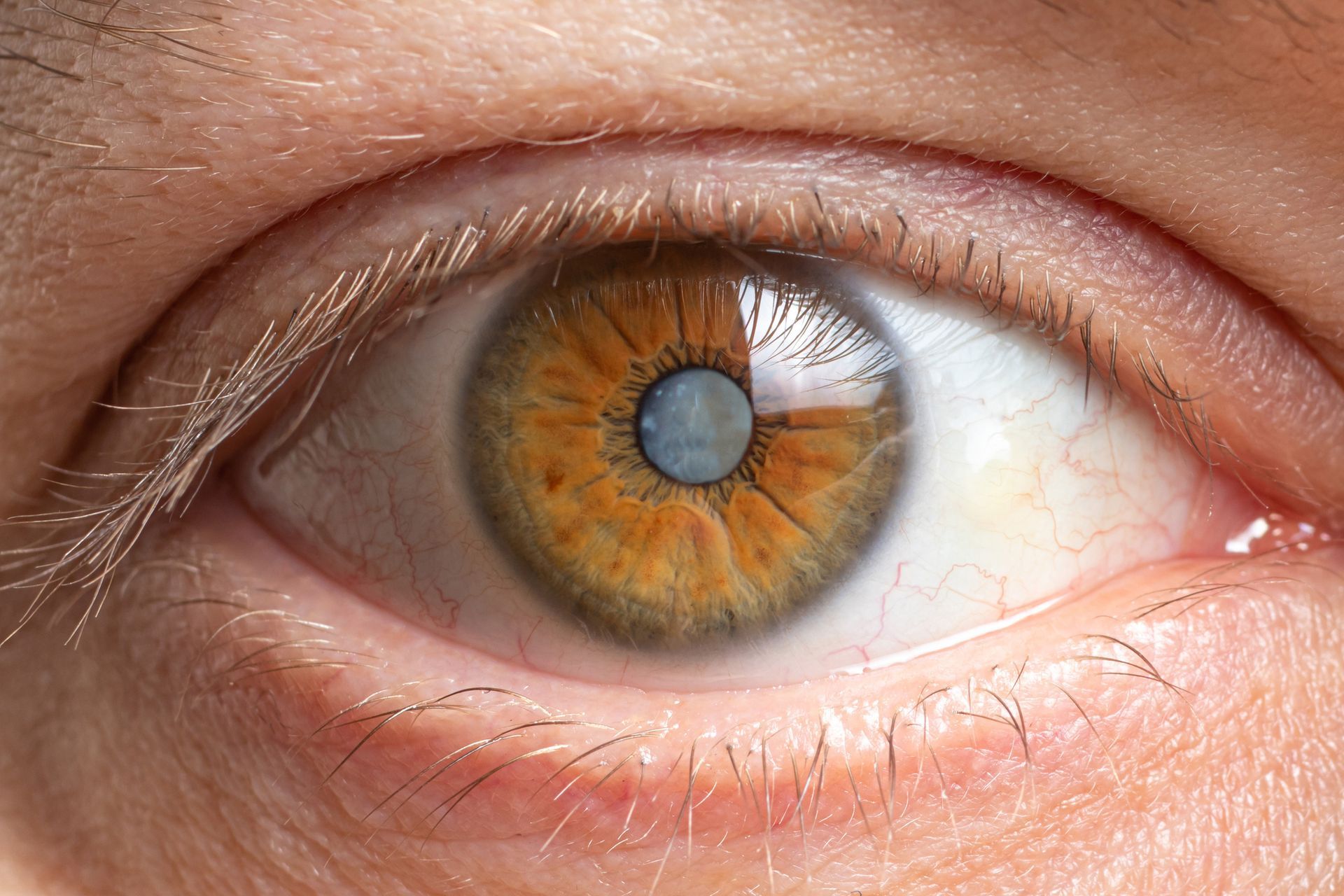
The optometrist examines the front and back structures of your eye using specialized lighting and magnification, including a slit-lamp exam to assess the cornea, lens, and iris. Computerized diagnostic tools may also be used to detect issues not yet visible to the naked eye.
Step 5: Dilation
Dilating drops widen your pupils so the optometrist can view the retina, optic nerve, and blood vessels at the back of the eye. Dilation may cause temporary light sensitivity and slightly blurry near vision for a few hours. Bringing sunglasses is a good idea. This step is especially useful for detecting retinal problems, signs of diabetes, and early glaucoma.
Step 6: Disease Screening
Disease screening is typically built into the exam. Glaucoma testing, for example, involves measuring eye pressure with a quick puff of air or a gentle contact method. Given that Allegany County has an aging population, screening for age-related conditions is a practical part of routine vision care services in this region.
What Should You Bring and How Can You Prepare?
Bring your current glasses or contacts, a list of medications, your insurance card, and your primary care doctor's name. If you plan to be dilated, arrange a ride or bring sunglasses. Arrive a few minutes early for any new-patient paperwork.
Insurance Tip: Most major vision insurance plans are accepted. Call ahead to confirm your specific plan and copay details before your appointment.
How Long Does a Comprehensive Eye Exam Take?
A full exam, including dilation, typically takes 60 to 90 minutes. New patients or those needing additional testing should plan for closer to 90 minutes. Routine follow-up visits for established patients are often shorter.
When Should You Schedule an Eye Exam?
Adults with no known vision problems may benefit from an exam every one to two years. Children, older adults, and anyone with a diagnosed eye condition may need annual visits. If you notice sudden vision changes, flashes of light, or eye pain, schedule sooner rather than later.
What Happens After the Exam?
The optometrist reviews findings with you in plain language. If a new or updated prescription is needed, you can explore eyeglass frames, contact lens options, or take your prescription elsewhere. Any eye health concerns are discussed, and follow-up appointments are scheduled as needed. Patients who receive consistent vision care services are better positioned to catch changes early and maintain clear, comfortable vision long term.
Schedule Your Eye Exam in Cumberland, MD, Today
Cumberland Optical/Dr. Shawn Ricker has been serving patients in Cumberland, MD, and across Allegany County since 1947, delivering personalized vision care services with the experience that keeps families coming back year after year. Walk-ins are welcome, new patients are always accepted, and most major insurance plans are on file. Call the office at
(301) 722-4757 to
book your comprehensive eye exam, or visit
Cumberland Optical/Dr. Shawn Ricker to learn more and read patient reviews.